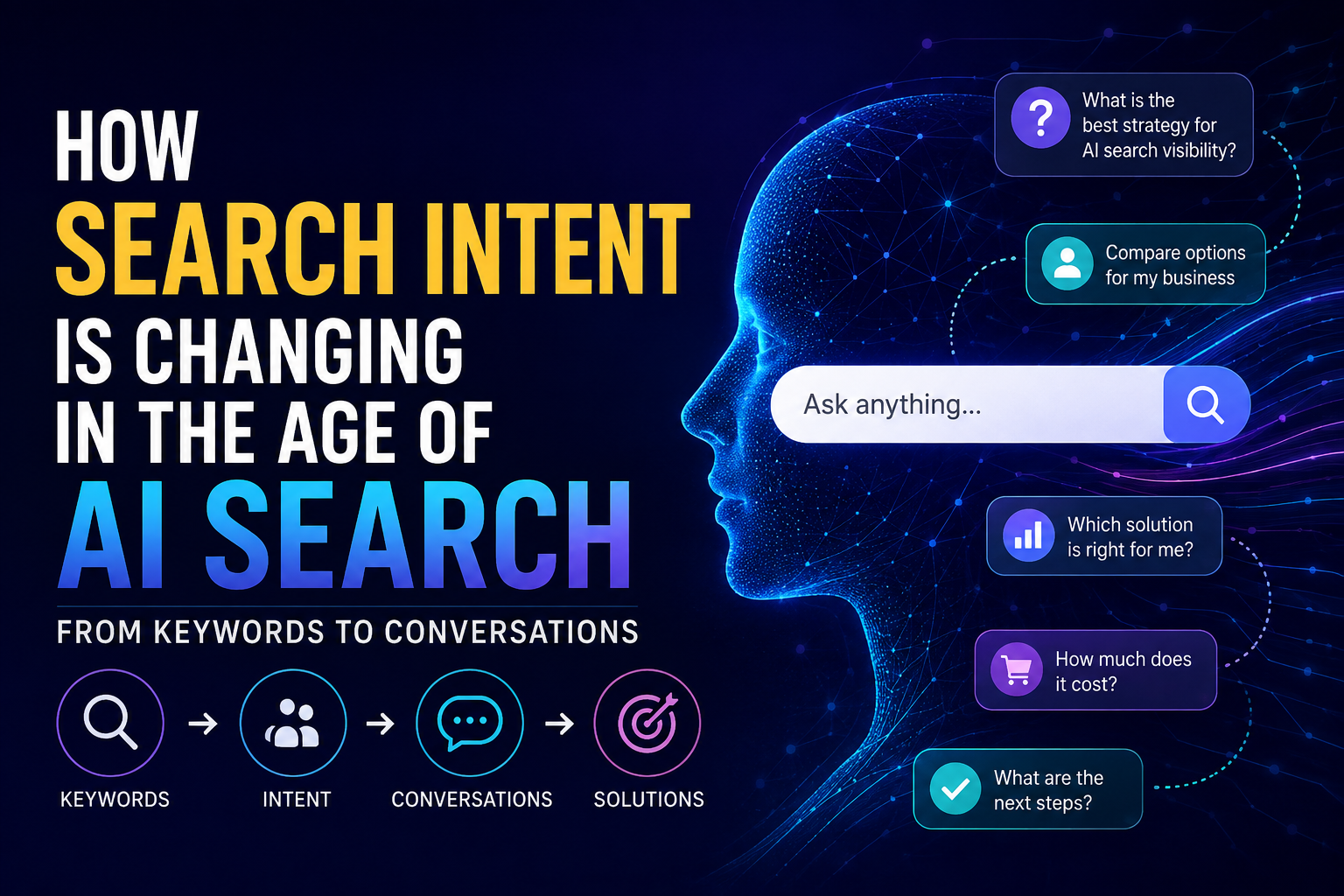
Search used to be a straight line: you typed a query, Google ranked ten blue links, and you clicked one. That line is gone. Today, a growing share of buying decisions start and end inside an AI conversation — ChatGPT, Gemini, Perplexity, Google’s AI Overviews — where the model doesn’t hand you a list of options. It picks one, or two, and recommends them.
That shift changes the question every brand needs to answer. It’s no longer “how do we rank #1?” It’s “how does the AI decide we’re safe to recommend?”
Those are different questions with different answers. Ranking is about relevance. Recommendation is about trust. And trust, to an AI system, isn’t a vibe — it’s a set of measurable, cross-referenced signals the model checks before it puts your name in front of a user.
Here’s exactly how that evaluation works, and what it takes to pass it.
Why AI Trust Works Differently Than SEO Ever Did
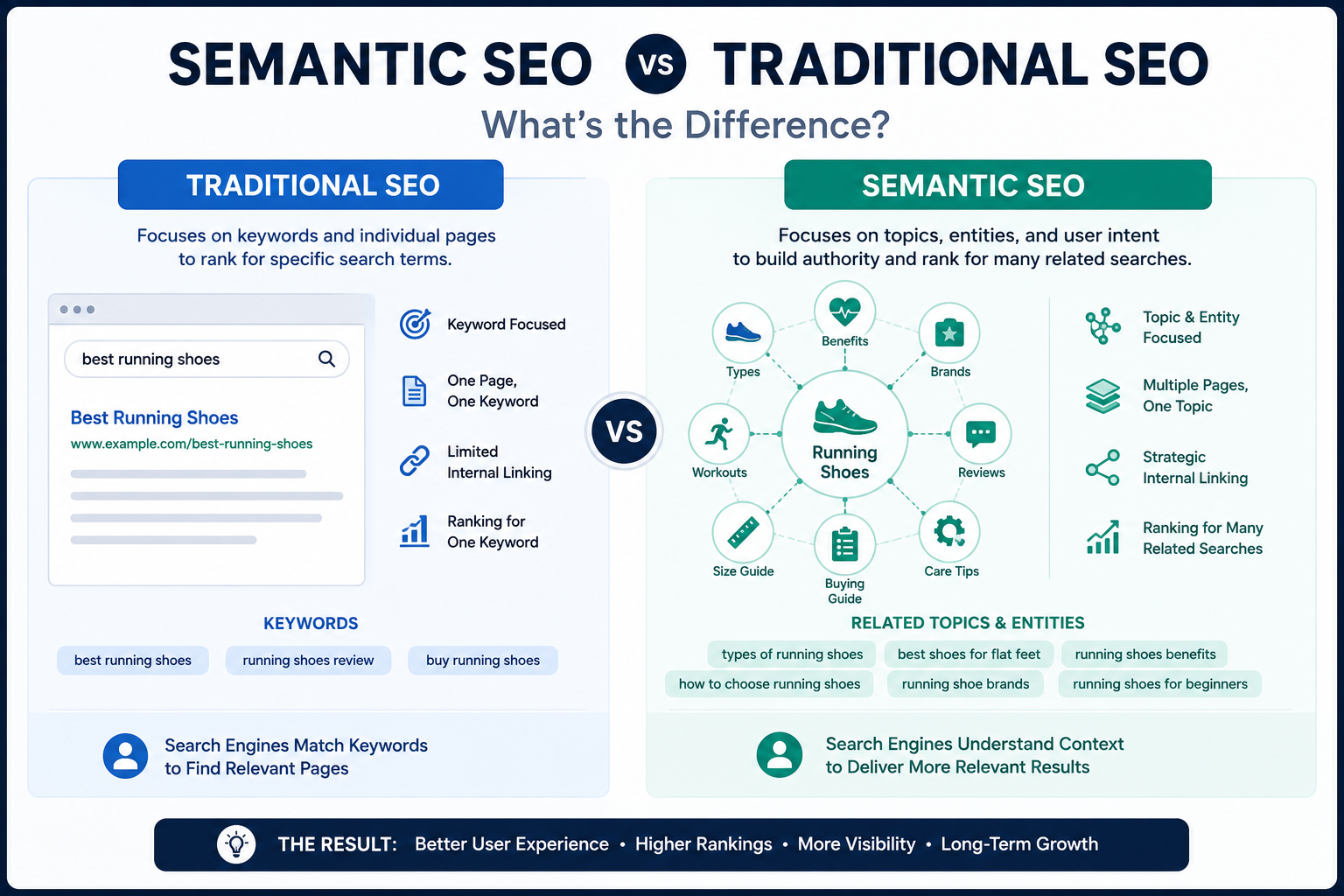
Traditional SEO rewarded keyword relevance, backlink volume, and on-page optimization. An AI system is solving a different problem: it has to generate an answer it’s willing to stand behind, in a format that offers no second page of results and very little room to hedge. That forces AI models to be far more risk-averse than a search engine ranking algorithm ever was.
A search engine can rank a mediocre or unverified page at position seven and let the user decide. An AI assistant that recommends a bad plumber, an unreliable SaaS tool, or a shady lender wears that mistake directly — it erodes user confidence in the model itself. So before an AI system will name your brand, it needs a high degree of confidence that doing so won’t blow up in its face.
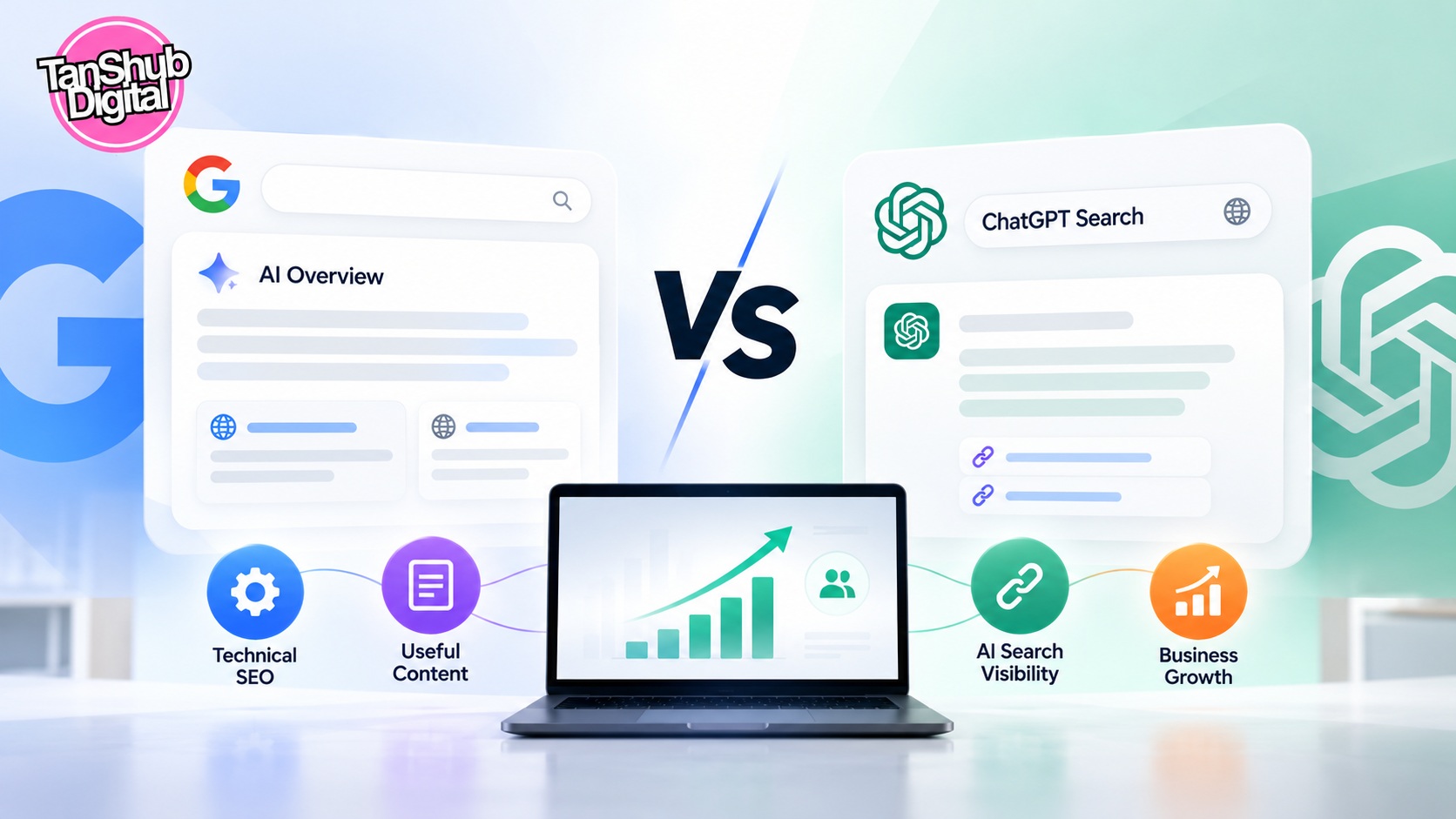
That’s why research increasingly shows AI citation behavior doesn’t track neatly with Google rankings. Pages sitting at position one in Google have a strong chance of also appearing in AI Overviews, but that advantage drops off fast by position ten — and a large share of the sources ChatGPT, Gemini, and Copilot actually cite don’t even appear in the Google top ten for the same query. Strong SEO helps, but it isn’t the same game anymore.
The Four-Step Process AI Uses to Evaluate a Brand
Most generative engines run some version of the same evaluation sequence before they’ll recommend an entity:
1. Entity identification. The model first has to recognize your business as a distinct, real-world entity — not just a domain name, but a company with a name, a category, a location, and a set of offerings that’s consistent everywhere it appears.
2. Signal aggregation. It then pulls in everything it can find about that entity: your website, directory listings, review platforms, social profiles, news coverage, and industry sources — building a composite picture rather than relying on any single page.
3. Contextual weighting. Not every signal counts equally. The model weighs signals differently depending on the industry, the market, and what it thinks the user actually needs — a signal that matters for a medical practice (credentials, citations from health authorities) matters far less for a local moving company (reviews, service-area consistency).
4. Cross-validation and confidence scoring. Finally, the model checks whether independent sources agree with each other. When your website, your reviews, your press coverage, and your directory listings all tell the same story, confidence goes up. When they conflict — different addresses, inconsistent claims, no independent corroboration — confidence drops, and so does your odds of being recommended.
This is the core mechanic worth understanding: AI isn’t grading your homepage in isolation. It’s asking whether the entire web’s picture of your brand holds together.
The Trust Signals That Actually Move the Needle
Based on how AI search platforms behave today, these are the categories carrying the most weight:
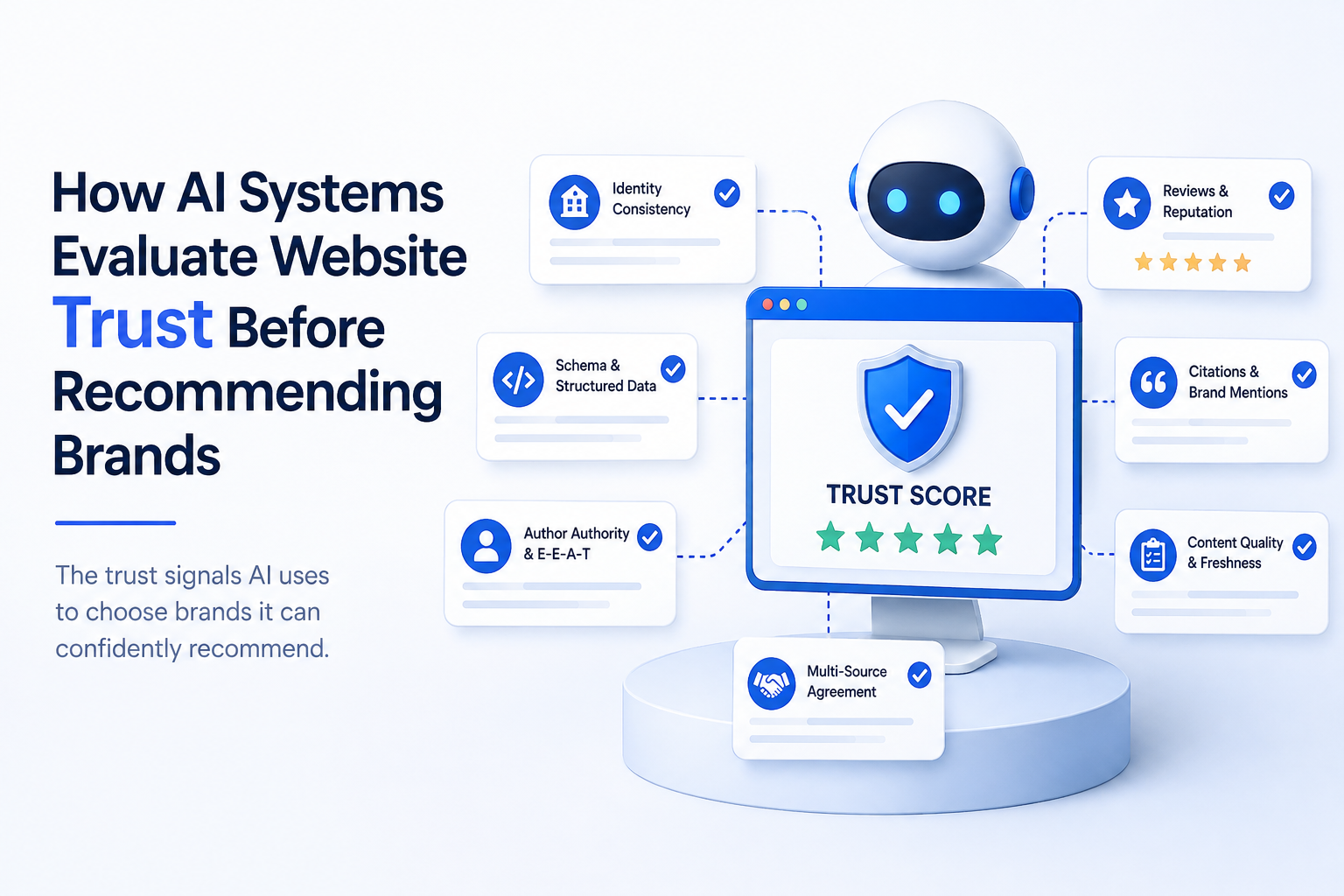
1. Identity consistency (NAP + messaging)
Your business name, address, phone number, and core service descriptions need to match, word for word, across your website, Google Business Profile, LinkedIn, directories, and any other place you appear. Conflicting details anywhere read as a red flag, not a rounding error.
2. Structured data and schema markup
AI systems parse structure far more than they “read” the way a human does. Organization, LocalBusiness, Article, FAQPage, and Author schema give the model an explicit, machine-readable version of who you are and what you know — reducing the guesswork it would otherwise have to do.
3. Author authority and E-E-A-T
Content tied to a named author with real, verifiable expertise carries more weight than unattributed marketing copy. Bylines, author bio pages, credentials, and a visible history of expertise in the subject all feed into whether the model treats a piece of content as a credible source or just noise.
4. Third-party citations and brand mentions
This is arguably the single biggest lever. Coverage from trusted news outlets, mentions on industry publications, and citations from sites the model already trusts function as implied endorsements. Notably, even unlinked brand mentions matter — AI models process language, not just link graphs, so your brand name showing up consistently alongside your category on authoritative sites builds citation confidence over time, with or without a hyperlink.
5. Reviews and reputation depth
Volume, recency, and how a business handles negative feedback all factor in. A 4.8-star rating built on 200 reviews reads as far more trustworthy than a flawless 5.0 built on twelve — and the pattern of how you respond to criticism is itself a signal.
6. Content depth, originality, and freshness
AI models favor content that contributes something new rather than repackaging what’s already indexed everywhere else, and they weight recent, actively maintained content over older pages — even ones from historically authoritative domains. There’s a real “citation cliff” effect where content that hasn’t been touched in months starts losing ground to fresher competitors on the same topic.
7. Multi-source agreement
Ultimately, everything above rolls up into one test: do independent sources, taken together, confirm the same facts about your brand? A polished website with no external corroboration looks unverifiable. A well-reviewed business with zero content footprint looks incomplete. Consistency across the whole ecosystem — not any single asset — is what earns the recommendation.
What This Means for Your Content and SEO Strategy
A few practical shifts follow directly from how this evaluation actually works:
- Structure content to answer directly, not to rank on keyword density. Lead each section with the direct answer in the first sentence or two, then support it — this mirrors how AI systems extract and quote content.
- Build comparison and use-case content. Queries like “which CRM works best for a five-person SaaS team” get broken into sub-questions by AI systems, so content that maps directly onto specific scenarios and comparisons gets pulled into answers more often than generic overview pages.
- Invest in earned media over owned content alone. A single feature in a trusted industry publication can do more for AI citation odds than another dozen blog posts on your own domain.
- Treat schema markup as non-negotiable. Article, FAQPage, Organization, and Author schema are cheap to implement and directly reduce the ambiguity an AI model has to resolve about your content.
- Refresh your best-performing pages on a real cadence. Don’t just publish and walk away — revisiting and updating existing content keeps it inside the freshness window AI systems favor.
- Audit your NAP and profile consistency quarterly. This is the least glamorous item on the list and one of the most consequential — conflicting business details across the web quietly cap your trust ceiling no matter how good your content is.
The Bottom Line
AI systems don’t rank websites so much as they interrogate them — checking whether your brand’s story holds up the same way across your own site, review platforms, news coverage, and directory listings before deciding it’s safe to put your name in front of a user. Traditional SEO fundamentals — structure, authority, backlinks — still matter, but they’re now table stakes inside a larger trust-verification process rather than the whole game.
The brands that treat this as a checklist to trick will get caught in the cross-validation step. The ones that actually build a consistent, well-documented, independently corroborated presence across the web are the ones showing up when someone asks an AI assistant who to trust.
Written for TanShub Digital — helping brands build the trust signals AI search actually checks for.