SEO has evolved significantly over the last decade. Ranking on Google is no longer about placing a keyword throughout a page and building a few backlinks. Modern search engines understand language, context, entities, and user intent. They evaluate how well your content answers a topic instead of simply matching keywords.
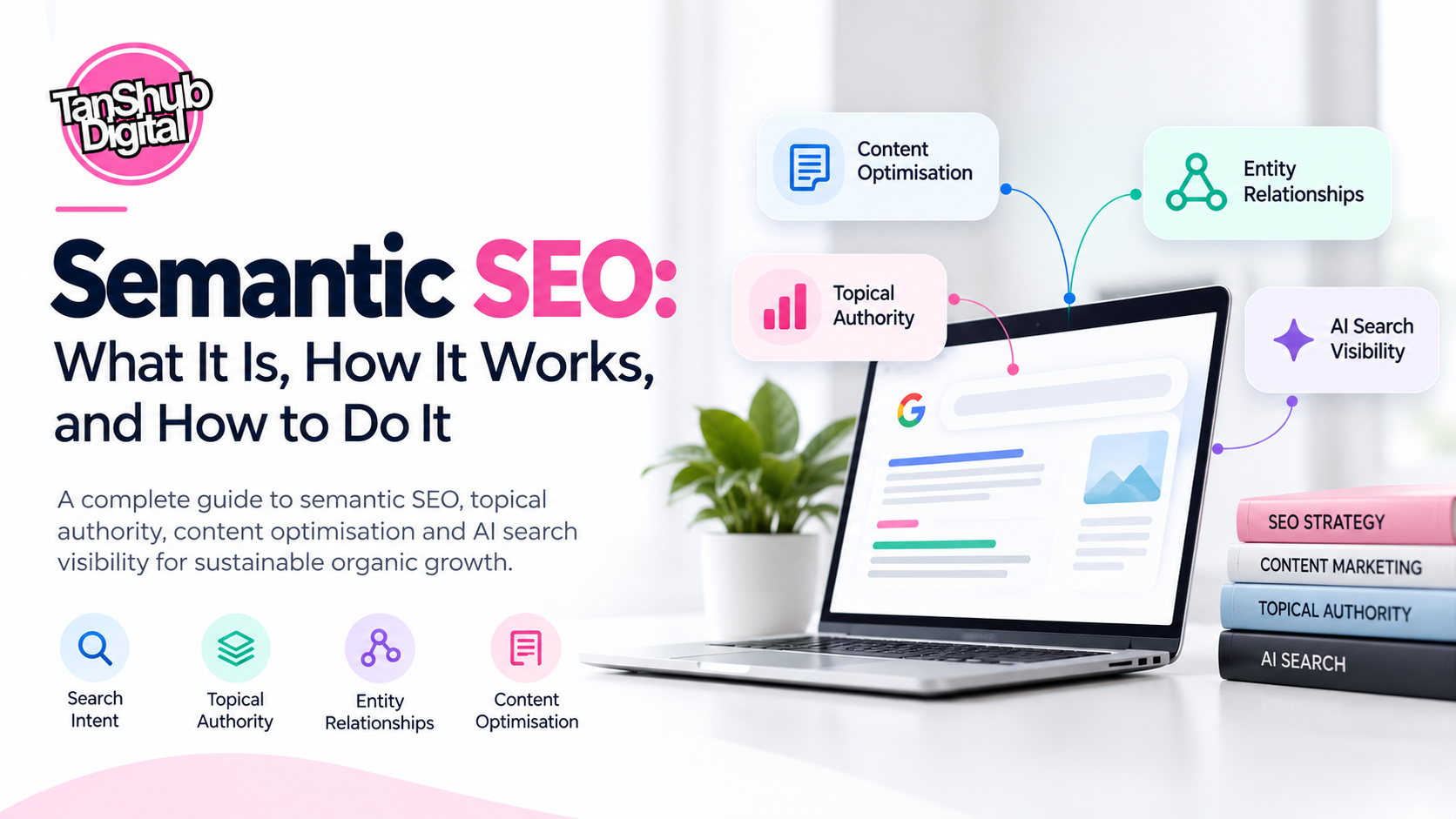
This shift has led to the rise of Semantic SEO, a strategy that helps businesses build topical authority and improve visibility across Google Search, Google AI Overviews, ChatGPT, Gemini, and other AI-powered search experiences.
If you’re wondering whether traditional SEO is still enough or whether Semantic SEO is the future, this guide explains the differences, benefits, and when your business should adopt a semantic approach.
What Is Traditional SEO?
Traditional SEO focuses on optimizing webpages for a specific keyword. The goal is to help search engines recognize the target keyword and rank the page when users search for that exact phrase.
A traditional SEO strategy typically includes:
- Keyword research
- On-page optimization
- Meta titles and descriptions
- Header tags
- Keyword placement
- Link building
- Technical SEO
For many years, this approach produced excellent results because search engines relied heavily on keyword matching.
For example, if your target keyword is “best CRM software,” traditional SEO encourages using that phrase in:
- Page title
- URL
- Headings
- Body content
- Image alt text
While these practices remain important, they are no longer enough to achieve sustainable rankings.
What Is Semantic SEO?
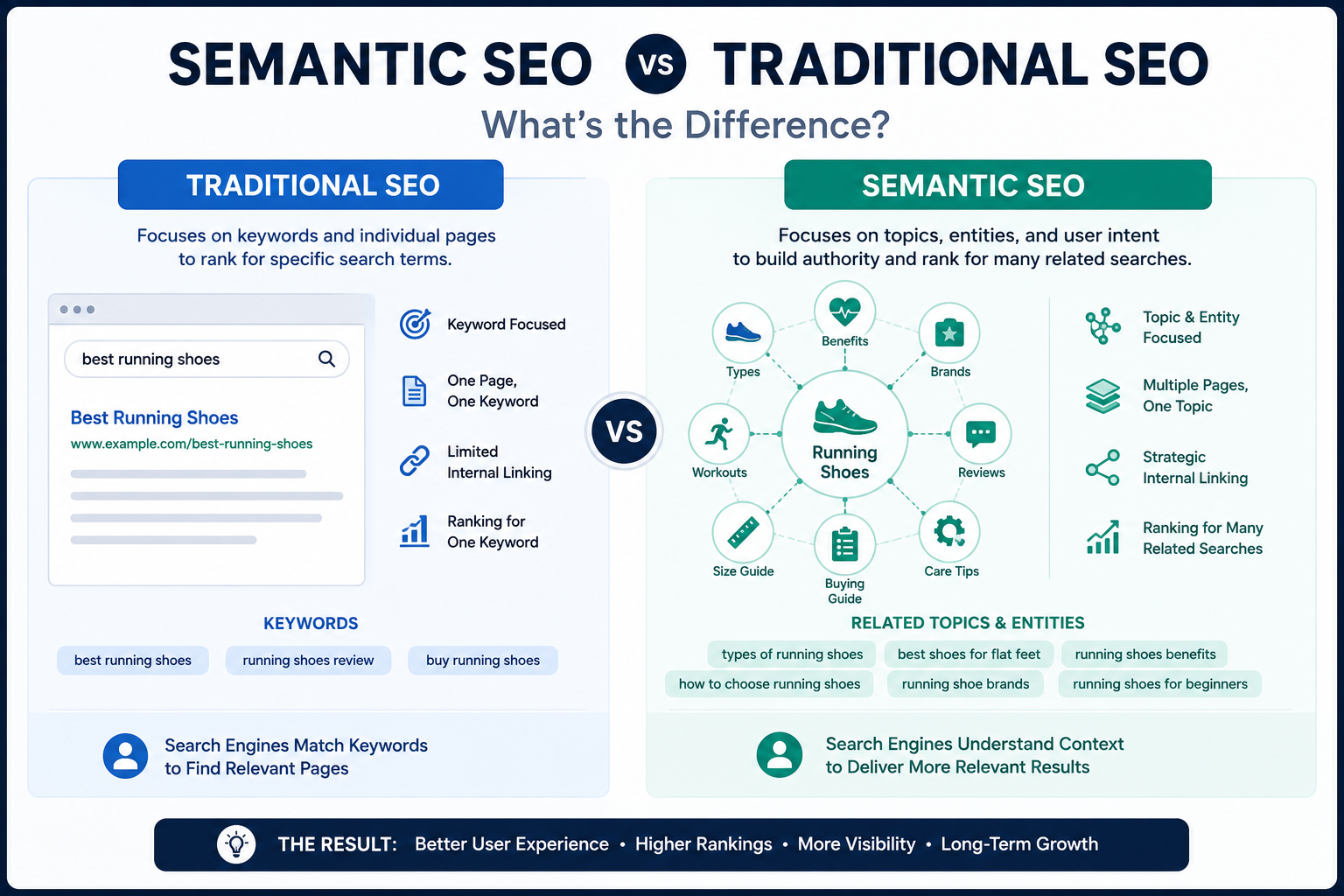
Semantic SEO focuses on the meaning behind search queries rather than exact keywords. It helps search engines understand the relationships between topics, entities, and user intent.
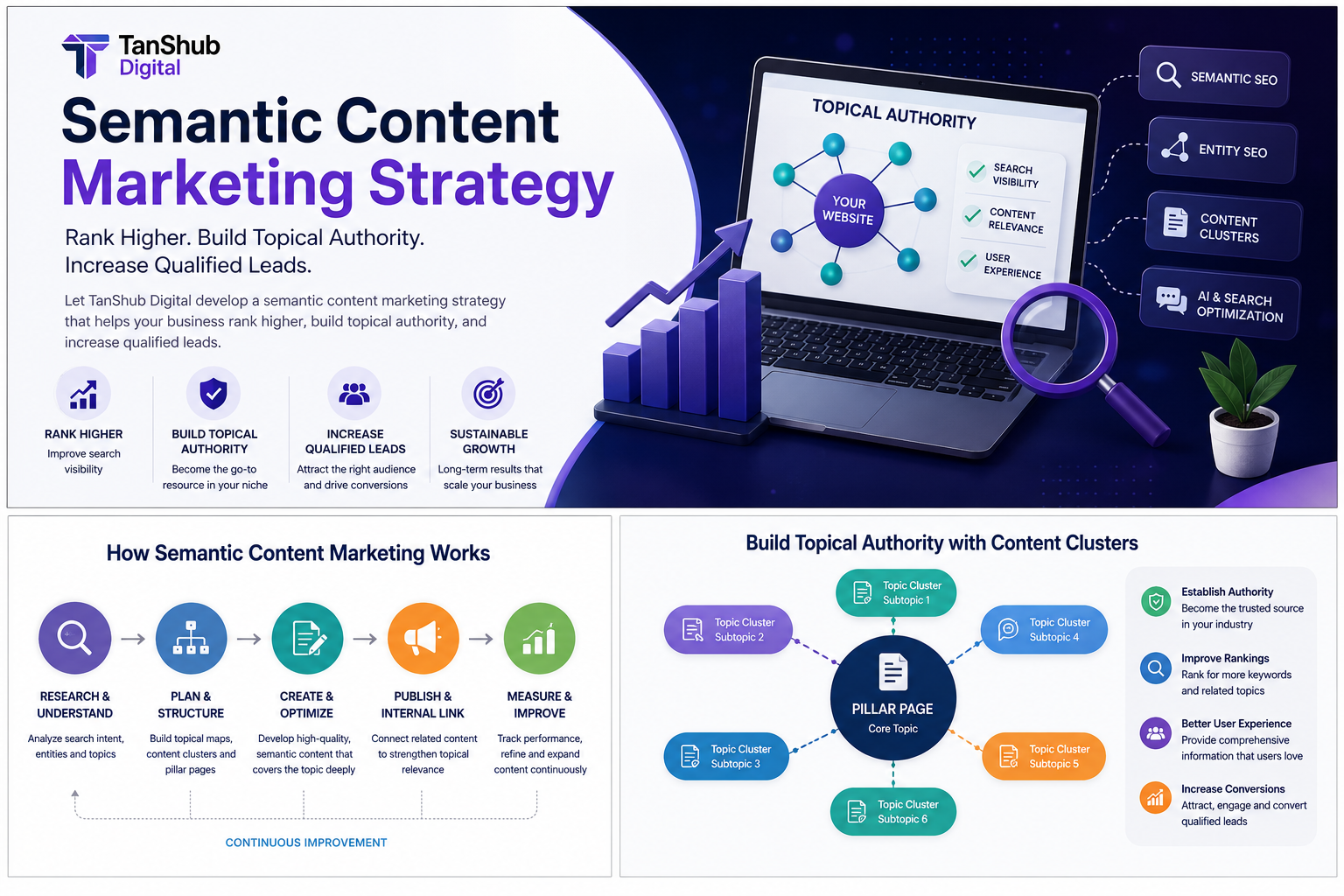
Instead of creating one page for one keyword, Semantic SEO builds comprehensive content around an entire subject.
A Semantic SEO strategy includes:
- Entity optimization
- Topic clusters
- Search intent optimization
- Semantic content optimization
- Internal linking
- Structured data
- Topical authority
- Content relationships
Rather than asking, “Which keyword should I rank for?”, Semantic SEO asks:
“What information does my audience need, and how are these topics connected?”
This approach helps search engines better understand your expertise and improves your chances of ranking for hundreds of related searches.
Semantic SEO vs Traditional SEO: Key Differences
| Traditional SEO | Semantic SEO |
|---|---|
| Focuses on keywords | Focuses on topics and entities |
| Optimizes individual pages | Builds topical authority |
| Targets one keyword | Targets multiple related searches |
| Keyword density matters | Context and relevance matter |
| Limited internal linking | Strategic topic clusters |
| Search engine focused | User intent focused |
| Works for keyword rankings | Works for Google and AI search |
Keyword Focus
Traditional SEO revolves around finding a high-volume keyword and optimizing a page around it.
Semantic SEO expands beyond keywords by covering related concepts, questions, and entities that users expect to find.
For example:
Instead of optimizing only for:
Semantic SEO
A semantic strategy also covers:
- Topic clusters
- Entity SEO
- Search intent
- Topical authority
- Structured data
- Internal linking
- Knowledge Graph
- AI Search Optimization
This creates a richer content experience for both users and search engines.
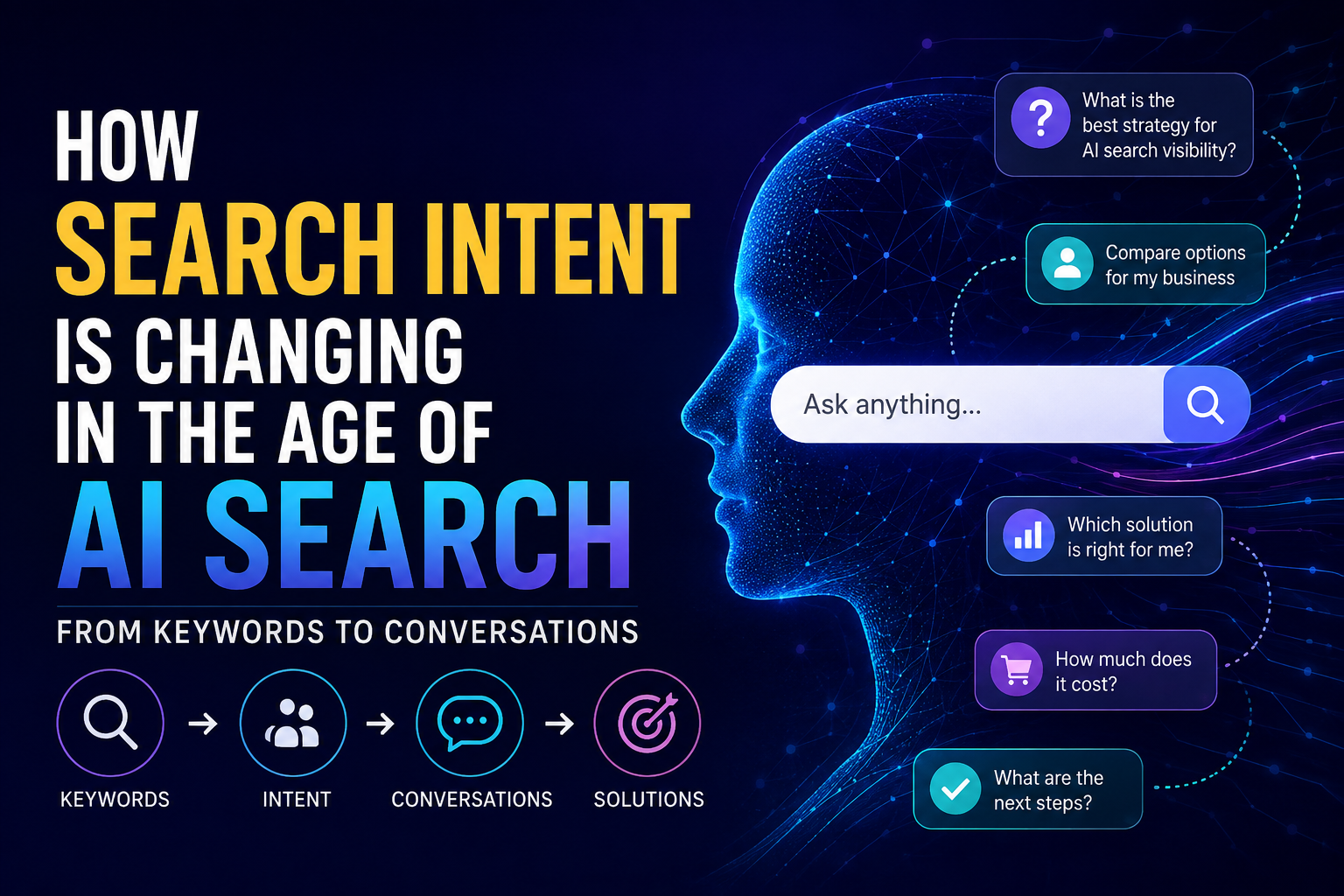
Search Intent Matters More Than Keywords
Modern search engines prioritize why someone searches instead of what they type.
For example, someone searching:
“Semantic SEO Services”
may want to:
- Hire an agency
- Learn what Semantic SEO is
- Compare agencies
- Understand pricing
- Improve rankings
Semantic SEO aligns content with these different search intents, making it more useful and more likely to rank.
Topical Authority Replaces Keyword Stuffing
Years ago, publishing dozens of keyword-focused articles was enough.
Today, Google rewards websites that demonstrate expertise across an entire subject.
Instead of publishing:
- Semantic SEO Basics
- Semantic SEO Tips
- Semantic SEO Guide
A semantic strategy connects these pages into a structured content hub supported by pillar pages and topic clusters.
This signals expertise and strengthens topical authority.
Entity SEO Helps Search Engines Understand Your Business
Entities are identifiable people, organizations, products, services, or concepts.
Search engines use entities to understand what your content is truly about.
For example:
If your website discusses:
- Semantic SEO
- Google Knowledge Graph
- Search Intent
- Topic Clusters
- Schema Markup
Google understands that your business specializes in modern search optimization rather than simply matching keywords.
Entity optimization improves contextual relevance and supports long-term rankings.
Internal Linking Becomes Strategic
Traditional SEO often treats internal links as navigation.
Semantic SEO uses internal linking to establish relationships between topics.
For example:
A Semantic SEO Services page should naturally connect to articles about:
- Topic Clusters
- Entity SEO
- AI Search Optimization
- Search Intent
- Schema Markup
- Content Strategy
These connections strengthen topical authority and improve crawlability.
Schema Markup Supports Semantic Understanding
Structured data helps search engines interpret your content more accurately.
Schema Markup can identify:
- Organizations
- Services
- FAQs
- Articles
- Authors
- Reviews
- Breadcrumbs
Although schema does not directly improve rankings, it enhances how search engines understand and present your content.
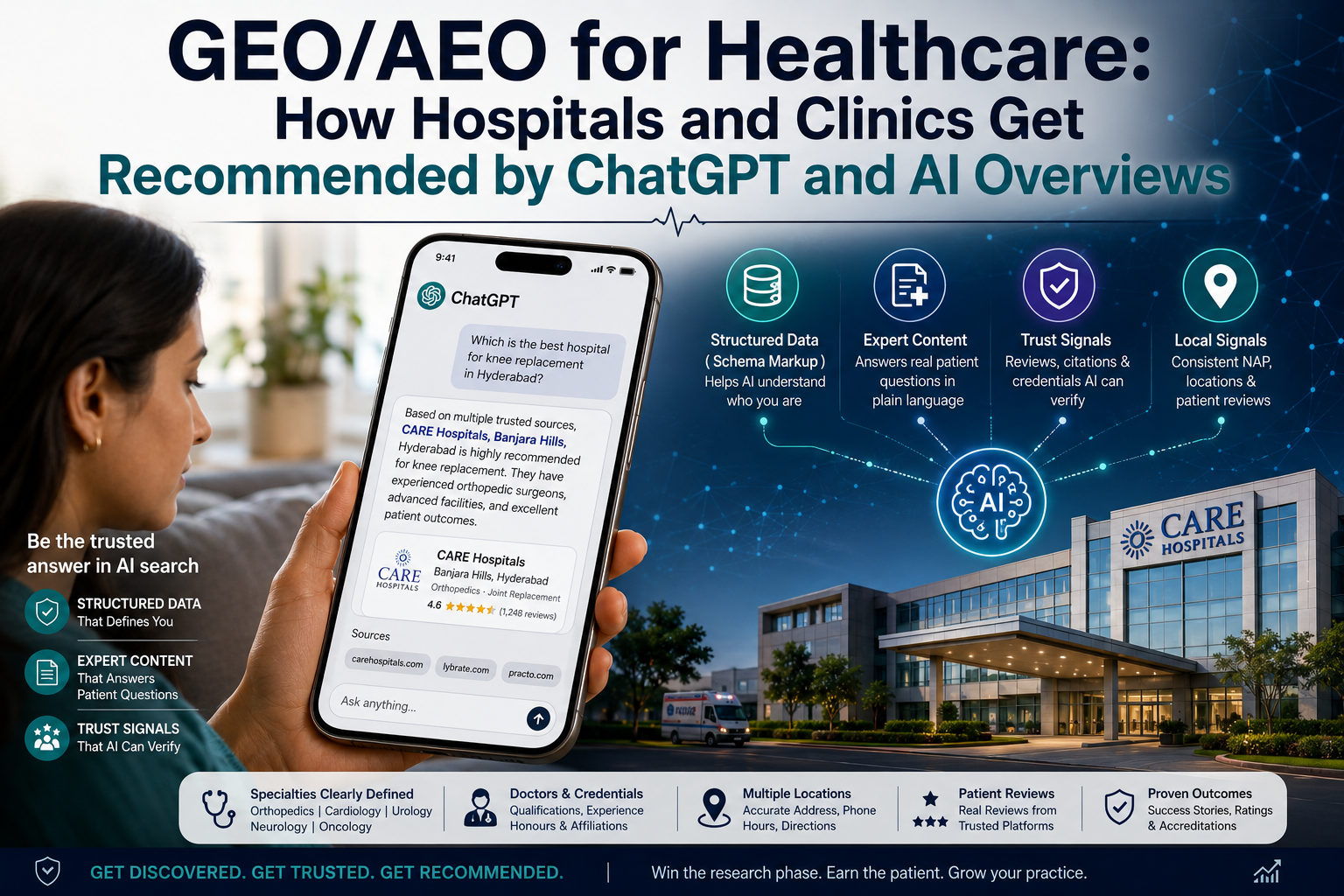
Semantic SEO Supports AI Search
One of the biggest differences between Semantic SEO and Traditional SEO is AI search visibility.
AI-powered search platforms analyze context rather than matching keywords.
Examples include:
- Google AI Overviews
- ChatGPT
- Gemini
- Perplexity
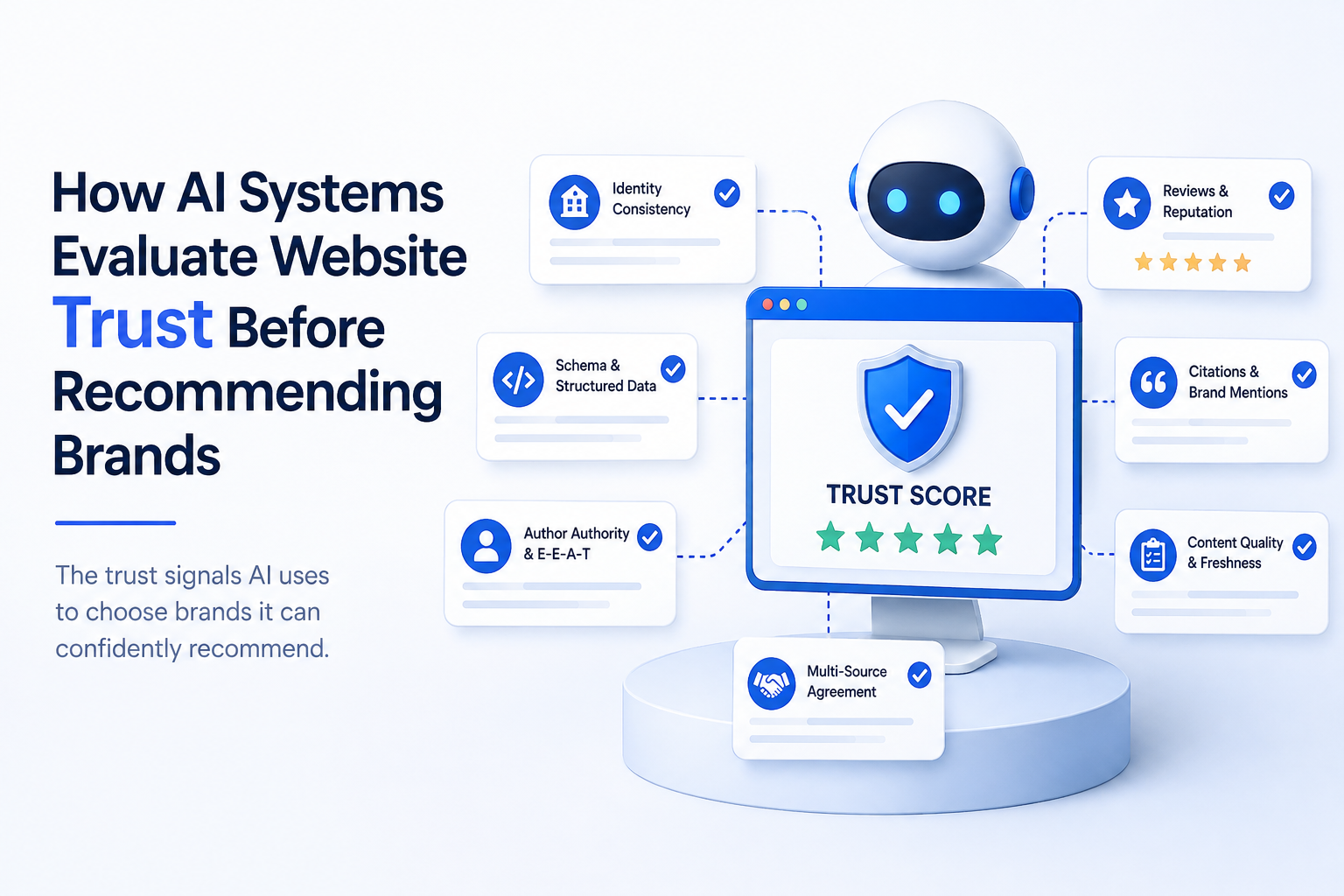
These systems prefer content that:
- Demonstrates expertise
- Covers topics comprehensively
- Uses structured information
- Builds topical authority
- Answers related questions
Semantic SEO naturally aligns with these requirements.
Benefits of Semantic SEO
Businesses adopting Semantic SEO often experience:
- Higher organic visibility
- Improved keyword coverage
- Better topical authority
- Increased search relevance
- More qualified traffic
- Stronger AI search visibility
- Better user engagement
- Sustainable long-term rankings
Instead of ranking for one keyword, a single page can rank for hundreds of related search queries.
Can Traditional SEO and Semantic SEO Work Together?
Absolutely.
Traditional SEO still provides an important foundation through:
- Technical SEO
- Keyword research
- Meta optimization
- Page speed
- Mobile usability
Semantic SEO builds on that foundation by improving context, relationships, and content quality.
The strongest SEO strategies combine both approaches rather than replacing one with the other.
Which SEO Strategy Is Better in 2026?
Traditional SEO remains valuable, but relying on keywords alone is no longer enough.
Businesses that want to compete in modern search need to focus on:
- Topical authority
- Entity optimization
- Search intent
- Semantic content
- Internal linking
- Structured data
- AI search optimization
Semantic SEO prepares your website for how both search engines and AI systems evaluate content today.
Why Businesses Should Invest in Semantic SEO Services
If your website struggles to rank despite publishing quality content, the issue may not be your keywords. It may be the lack of semantic depth, topical authority, and contextual relevance.
Professional Semantic SEO Services help businesses:
- Build comprehensive topic clusters
- Optimize entities and content relationships
- Improve search intent alignment
- Strengthen internal linking
- Implement structured data
- Increase visibility across Google and AI-powered search platforms
As search continues to evolve, businesses that adopt Semantic SEO today will be better positioned for long-term organic growth.
Conclusion
Traditional SEO laid the foundation for modern search optimization, but search engines have become much smarter. Today, success depends on helping Google and AI systems understand the meaning behind your content, not just the keywords it contains.
Semantic SEO focuses on topics, entities, search intent, and contextual relevance to create a stronger content ecosystem. By combining the technical strengths of traditional SEO with the depth of Semantic SEO, businesses can improve rankings, build topical authority, and increase visibility across Google Search, AI Overviews, ChatGPT, Gemini, and other AI-powered search experiences.
If you’re ready to future-proof your organic strategy, investing in Semantic SEO Services is one of the most effective ways to stay ahead of evolving search algorithms and deliver lasting results.